As the holiday season begins, there’s a sense of anticipation in the air. Thanksgiving invites you to pause, reflect, and express gratitude for the people, experiences, and blessings that enrich your life.
Perhaps one of your favourite Thanksgiving traditions is gathering around the table and sharing what you’re thankful for. Listening to the reflections of family and friends can be humbling, affirming, and deeply meaningful.
Yet a truly meaningful Thanksgiving calls for more than gratitude alone. It invites you to approach the day with both an open heart and an honest understanding of its history.
Acknowledging the Past, Embracing the Truth
While Thanksgiving is widely celebrated as a holiday of gratitude and togetherness, it also carries a complex and painful history. For many Indigenous peoples, the traditional Thanksgiving narrative is intertwined with the realities of colonization, displacement, and the loss of land, culture, and identity.
Acknowledging this history does not diminish gratitude. Rather, it deepens it. True gratitude is rooted in awareness. It requires us to hold both celebration and truth, appreciation and understanding, in the same space.
Looking Beyond the Traditional Story
Many of us grew up hearing simplified stories about the first Thanksgiving. Yet history is often more nuanced than the narratives we’ve been taught. Taking the time to learn about Indigenous perspectives helps us gain a fuller understanding of the past and its lasting impact today.
When we are willing to listen, learn, and broaden our perspective, we create space for empathy, understanding, and meaningful dialogue.
Turning Reflection Into Action
Thanksgiving can also be an opportunity to move beyond reflection and into intentional action.
You can begin by:
- Learning about the history of Indigenous communities and their contributions.
- Seeking out Indigenous voices, stories, and perspectives.
- Supporting Indigenous-led organisations, educational initiatives, and cultural preservation efforts.
- Encouraging thoughtful conversations with family and friends about the history and meaning of the holiday.
Small actions may seem insignificant, but they help create greater awareness, respect, and understanding.

Reimagining Thanksgiving
Perhaps Thanksgiving can be both a celebration of gratitude and a commitment to truth.
A day to appreciate what we have while acknowledging the experiences of those whose stories have often been overlooked. A day to listen more deeply, learn more intentionally, and extend compassion more generously.
Gratitude is most powerful when it inspires awareness. And awareness is what allows healing, understanding, and meaningful connection to grow.
As you gather this Thanksgiving, may you embrace both gratitude and reflection. May you celebrate with an open heart, listen with curiosity, and approach the day with a deeper appreciation for the many stories that shape it.
After all, gratitude is more than looking at what we’ve gained, and also about honouring the truths that help us grow.
Fostering a Spirit of Gratitude All Year Round
Gratitude is more than a holiday tradition. It’s a mindset that shapes how you see the world, strengthen relationships, and find meaning in everyday moments.
The Power of Gratitude in Family Life
- Gratitude has a unique way of transforming a home – When family members intentionally express appreciation for one another, it creates a more positive atmosphere, strengthens relationships, and deepens a sense of belonging.
- It also teaches some of life’s most important lessons – By modelling gratitude, you help children learn to appreciate what they have, recognise the contributions of others, and develop empathy, kindness, and respect.
- Gratitude is cultivated in everyday interactions and not just caught in grand moments.
Extending Gratitude Beyond the Dinner Table
Thanksgiving reminds us that gratitude should extend beyond our homes and into our communities. Whether it’s volunteering, supporting local initiatives, or performing simple acts of kindness, gratitude becomes more meaningful when it inspires action. It also nurtures empathy.
When you take time to appreciate the people who serve your community – the teacher, healthcare worker, shop assistant, the nurse, the receptionist at the doctor’s or dental surgery, delivery driver, or neighbour – you begin to see the world through a more compassionate lens. Gratitude shifts your focus from what you lack to the countless ways others contribute to your daily life.
Building a Culture of Appreciation
A grateful society is built one act of appreciation at a time. When you intentionally recognise the efforts of others, you help create a culture where people feel seen, valued, and respected.
Every role matters. Every contribution counts. And when appreciation becomes a habit, communities become stronger, more connected, and more compassionate.

Simple Ways to Practise Gratitude
Gratitude doesn’t require grand gestures. It grows through consistent practice. Consider:
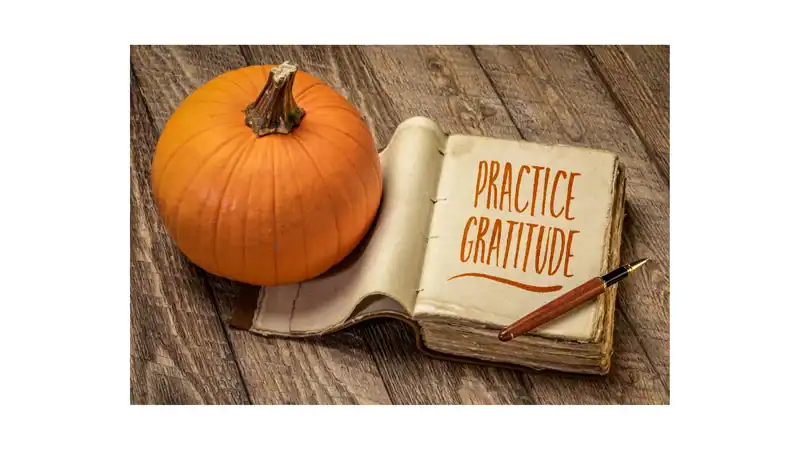
- Keeping a gratitude journal and noting a few things you’re thankful for each day.
- Expressing appreciation more often to family, friends, and colleagues.
- Volunteering as a family and giving back to your local community.
- Taking a moment each day to recognise the people who make your life a little easier.
Related Posts:
- 93 Blessings And Gratitude Quotes
- The Ultimate Guide To Gratitude Journaling
- How To Leverage Gratitude To Improve Our Overall Mental Wellness
- 70 Things That Made 2023 Unforgettable!
- 85 Unforgettable Moments That Made 2024
- 2025 Year in Review: 90 Most Unforgettable Moments
FAQs About About Gratitude, Thanksgiving, and Intentional Living
Gratitude helps shift your focus from what is missing to what is already present. Research shows that practising gratitude can improve mental well-being, strengthen relationships, reduce stress, and increase overall life satisfaction.
2. How can gratitude improve family relationships?
Gratitude strengthens family relationships by fostering appreciation, empathy, and open communication. When family members regularly express thankfulness for one another, it creates a more positive home environment and deepens emotional connections.
3. What are some simple ways to practise gratitude daily?
Simple ways to practise gratitude include keeping a gratitude journal, expressing appreciation to loved ones, reflecting on positive moments each day, performing acts of kindness, and taking time to acknowledge the contributions of others.
4. Why should gratitude extend beyond Thanksgiving?
Thanksgiving is a reminder to practise gratitude, but gratitude has the greatest impact when it becomes a daily habit. Living with gratitude year-round encourages mindfulness, strengthens relationships, and promotes a more positive outlook on life.
5. How does gratitude contribute to personal growth?
Gratitude encourages self-awareness, resilience, and perspective. By focusing on lessons, opportunities, and positive experiences, you become more intentional about your growth and better equipped to navigate life’s challenges.
6. What is the connection between gratitude and empathy?
Gratitude helps you recognise the efforts, sacrifices, and contributions of others. This awareness naturally fosters empathy, compassion, and a greater appreciation for the experiences of those around you.
7. How can families teach children the value of gratitude?
Families can teach gratitude by modelling appreciation, encouraging children to express thanks, involving them in acts of kindness, volunteering together, and creating opportunities to reflect on what they are grateful for.
8. What does it mean to live with intentional gratitude?
Intentional gratitude means choosing to actively notice and appreciate the people, experiences, and opportunities in your life. Rather than waiting for special occasions, you make gratitude a conscious daily practice.
9. How can gratitude help build stronger communities?
Gratitude strengthens communities by encouraging kindness, respect, and recognition of others’ contributions. When people feel valued and appreciated, trust grows, relationships deepen, and communities become more connected.
10. Is gratitude a mindset or a practice?
Gratitude is both a mindset and a practice. The more consistently you practise gratitude through reflection and appreciation, the more naturally it becomes part of how you think, respond, and engage with the world.
11. How can Thanksgiving be more meaningful?
A meaningful Thanksgiving goes beyond food and celebration. It involves reflecting on what you’re grateful for, spending intentional time with loved ones, acknowledging diverse perspectives, and considering ways to contribute positively to your community.
12. Can gratitude improve mental health?
Yes. Studies have found that practising gratitude can help reduce stress, improve mood, increase optimism, and strengthen emotional resilience. Regular gratitude practices can support both mental and emotional well-being.

Thanksgiving Is More Than a Day
Thanksgiving isn’t just a date on the calendar. It’s an invitation to live with greater awareness, appreciation, and intention.
As you gather with loved ones, enjoy the celebrations and traditions, but also embrace the opportunity to reflect more deeply, express gratitude more freely, and contribute to a more compassionate world.
Gratitude is about counting your blessings, recognising the people, experiences, and lessons that help shape your life.
And when practised consistently, gratitude has the power to transform not only your perspective, but the lives of those around you.
How will you cultivate gratitude beyond Thanksgiving this year?
I’d love to hear your thoughts in the comments below.
Thank you for being a VCC reader!