
Disclosure: This post contains affiliate links, meaning if you decide to make a purchase via my links, I may earn a commission at no additional cost to you. See my disclosure for more info.
Your Mind Is Far More Powerful Than You Realize
Do you want to build a psychology of success through developing a growth mindset? If the answer is yes, then understanding how mindset works is one of the most important foundations for shaping success in both young individuals and yourself.
Your mind is far more powerful than you realize. And once you understand how it works, you begin to see that success is not fixed; it is developed. A growth mindset is a way of thinking that can transform learning, relationships, and long-term achievement.
What is a Growth Mindset?
A growth mindset is the belief that intelligence, ability, and talent are not fixed traits, but qualities that can be developed through your efforts, learning, strategies, persistence, and including help from others. According to Stanford psychologist Dr. Carol Dweck, mindset shapes how individuals approach challenges, learning, and failure.
In her work Mindset: Changing the Way You Think to Fulfil Your Potential, she distinguishes between:
- A fixed mindset: “I can’t change my ability.”
- A growth mindset: “I can improve with effort and learning.”
The difference between the two shapes how young people respond to life. She indicates that, “The passion for stretching yourself and sticking to it, even (or especially) when it’s not going well, is the hallmark of the growth mindset.”
Why Mindset Matters for Young People
Mindset plays a critical role in shaping how young individuals think, learn, and grow. A key part of understanding mindset is recognising that it operates in different areas of life.
- An “intelligence mindset” comes into play in situations that involve mental ability – how you think, solve problems, and learn new concepts.
- A “personality mindset” shows up in how you view your personal qualities, such as being dependable, cooperative, caring, or socially skilled.
These mindsets shape how young people interpret themselves and their abilities.
A fixed mindset tends to create a focus on judgement and validation – worrying about how others see you and trying to prove your worth. In contrast, a growth mindset shifts the focus from proving yourself to improving yourself. It is rooted in the belief that abilities, intelligence, and personal qualities can be developed over time through effort, learning, and experience.
Instead of asking, “How will I be judged?” the growth mindset asks, “How can I improve and stretch myself to learn something new?”
This shift is powerful for young people because it changes how they respond to challenges and setbacks. A growth mindset helps young people:
- Embrace challenges instead of avoiding them.
- Persist when things become difficult.
- Learn from feedback instead of fearing it.
- Build resilience in the face of setbacks
More importantly, it helps them understand that effort is the path to mastery.
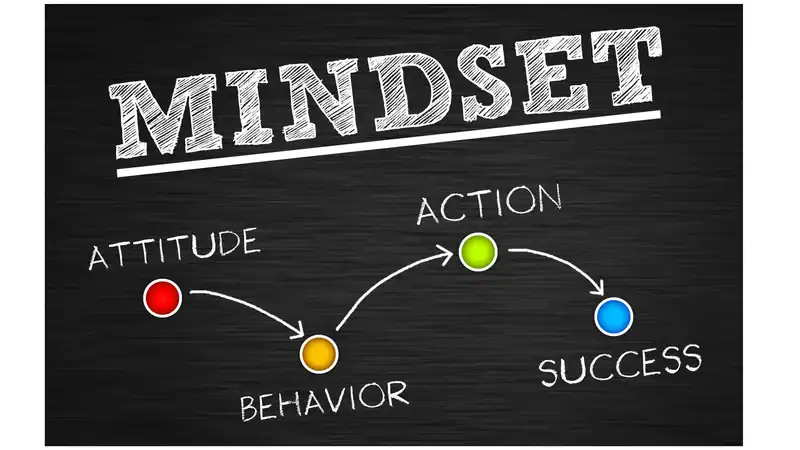
9 Benefits of a Growth Mindset in Young Individuals
Developing a growth mindset in young individuals creates long-term emotional, academic, and personal advantages:
- Resilience: They recover from setbacks and view challenges as opportunities.
- Increased effort and persistence: They understand that success requires consistency.
- Love of learning: Learning becomes a lifelong journey, not a task.
- Openness to feedback: Feedback becomes a tool for growth, not criticism.
- Adaptability: They adjust more easily to change and uncertainty.
- Higher academic achievement: Effort and strategy lead to improved performance.
- Stronger problem-solving skills: Challenges are seen as opportunities to think differently.
- Increased confidence and self-esteem: Growth builds self-belief over time.
- Better relationships: Collaboration and empathy improve social interactions.
How a Growth Mindset Shapes Success
Success is shaped by mindset, consistency, and the willingness to grow; but also by context, opportunity, and access to resources.
We are all a mixture of both fixed and growth mindsets. In fact, people often carry different mindsets in different areas of their lives.
Effort is important, but it is not the only factor. And importantly, not all effort is equal in outcome. For example, some individuals have access to advantages that can influence how far effort can take them. This might include financial stability, supportive family structures, access to quality education, influential networks, or being exposed to the right opportunities at the right time. These factors can provide a safety net or a springboard that allows persistence and experimentation over a longer period.
This does not diminish the value of effort; but it does highlight that effort alone does not exist in a vacuum.
At its core, a growth mindset is about how you respond within reality. It allows individuals to stay connected to what they are doing, even when it becomes difficult. It helps them persist through setbacks, while still finding meaning and value in the process itself, regardless of immediate outcomes.
It shifts the focus from proving yourself to others, to developing yourself for your own growth. It also encourages people to reflect on where their effort is best directed. Growth is not just about working harder everywhere but about becoming more intentional about where and how you invest your energy for meaningful change.
Young people with a growth mindset therefore understand that:
- Effort leads to improvement.
- Failure is part of learning.
- Growth happens outside of comfort zones.
This creates a foundation not only for achievement, but for resilience, purpose, and long-term fulfilment in education, relationships, and life.

29 Practical Ways to Develop a Growth Mindset
1. Language and Praise
- Praise effort, not intelligence.
- Use “not yet” instead of “can’t.”
- Encourage “I can” thinking.
- Teach the power of “yet.”
2. Learning and Attitude
- Encourage challenges instead of avoiding them.
- Emphasise learning over grades.
- Promote curiosity and questioning.
- Make learning a lifelong process.
- Introduce the brain as a “muscle” that grows with effort.
3. Handling Failure and Feedback
- Discuss failures as learning opportunities.
- Provide constructive feedback.
- Encourage self-reflection.
- Teach resilience after setbacks.
4. Habits and Goal Setting
- Set realistic, achievable goals.
- Teach time management skills.
- Encourage consistent effort.
- Celebrate progress, not perfection.
5. Environment and Mindset Culture
- Model a growth mindset as an adult.
- Create a positive learning environment.
- Encourage collaboration and teamwork.
- Celebrate the success of others.
- Promote autonomy and decision-making.
6. Exposure and Experience
- Provide diverse learning experiences.
- Introduce new hobbies and challenges.
- Encourage reading and storytelling.
- Showcase diverse role models.
- Promote lifelong learning habits.
7. Emotional and Social Growth
- Teach emotional intelligence.
- Use positive affirmations.
- Encourage mindfulness and awareness.
- Build supportive peer relationships.

Common Growth Mindset Mistakes to Avoid
Even with the best intentions, certain patterns can unintentionally reinforce a fixed mindset and limit a young person’s growth.
One of the most common mistakes is praising intelligence or talent instead of effort and process. Research by Dr. Carol Dweck shows that labels like “smart” or “gifted” can reduce motivation over time, as children begin to link success to identity rather than effort. This can create a fear of failure and a need to “prove” ability.
Instead, focus praise on effort, persistence, and progress. Simple shifts like “You worked really hard on that” reinforce the belief that growth is something they can control and develop.
Another mistake is treating failure as negative rather than instructional. In a growth mindset, failure is not a reflection of inadequacy; it is feedback that highlights what can be learned and improved. This reframing builds resilience and encourages children to try again rather than give up.
It’s also important to be mindful of how young people interpret external judgement, criticism, or prejudice. A growth mindset helps them separate others’ opinions from their self-worth, allowing them to respond with confidence rather than internalising negative labels.
Over-focusing on grades and outcomes instead of learning is another common trap. When results become the sole focus, young people may avoid challenges to protect their image, rather than engaging in experiences that build real growth.
Finally, adults must model the mindset they want to teach. Children learn as much from behaviour as from instruction. When they see adults embracing feedback, persisting through challenges, and learning openly, they absorb those same patterns.
Ultimately, parents and educators support growth best not by pushing perfection, but by nurturing curiosity, effort, and a love of learning. Awareness of these mistakes is the first step towards change; and when corrected, they create space for young people to grow with confidence, resilience, and belief in their potential.

FAQs About Growth Mindset in Young People
A growth mindset is the belief that abilities, intelligence, and talents can be developed through effort, learning, and persistence. It focuses on improvement rather than fixed ability.
2. Why is a growth mindset important for young people?
A growth mindset helps young people build resilience, embrace challenges, learn from mistakes, and develop confidence in their ability to improve over time. It supports both academic and personal success.
3. How does a growth mindset affect learning?
It encourages students to see learning as a process. Instead of fearing failure, they view mistakes as opportunities to grow, which improves motivation, persistence, and long-term achievement.
4. What is the difference between a fixed mindset and a growth mindset?
A fixed mindset assumes abilities are static and unchangeable, while a growth mindset believes skills can be developed through effort, learning, and feedback.
5. How can parents develop a growth mindset in children?
Parents can model growth mindset behaviours, praise effort instead of intelligence, encourage challenges, normalise mistakes, and support curiosity and learning over perfection.
6. Why should intelligence not be praised in children?
Praising intelligence can reduce motivation and create fear of failure. Children may begin to associate success with identity rather than effort, which can limit resilience and persistence.
7. How does a growth mindset help with failure?
A growth mindset reframes failure as a lack of experience or skill rather than a fixed limitation. This helps young people learn from setbacks and try again with confidence.
8. Can mindset really impact success?
Yes. Research shows that mindset influences how individuals approach challenges, respond to feedback, and persist through difficulties; all of which directly affect success.
9. What are common mistakes when teaching growth mindset?
Common mistakes include praising talent over effort, focusing too heavily on grades, avoiding challenges, and not modelling growth mindset behaviour as adults.
10. How can teachers encourage a growth mindset in the classroom?
Teachers can encourage effort-based praise, create safe environments for mistakes, promote curiosity, use constructive feedback, and emphasise learning over performance.
11. What is the most important principle of a growth mindset?
The most important principle is the belief that growth is always possible. With effort, guidance, and persistence, abilities and understanding can continuously improve.
12. How can young people practise a growth mindset daily?
They can use “not yet” language, embrace challenges, reflect on mistakes, set learning goals, and focus on progress rather than perfection.
Growth Is a Choice
A growth mindset is built through intentional, consistent choices. How you respond to challenges, interpret failure, and approach learning.
Every young person has the potential to grow, but growth must be guided, modelled, and reinforced by the adults around them.
Parents, educators, and mentors all play a role. When we encourage effort over perfection, curiosity over fear, and learning over judgement, we help young people develop resilience, confidence, and a lifelong love of growth.
This is shaping how the next generation sees themselves and their potential.
So reflect on your own journey: What habits will strengthen your growth mindset? When has a growth mindset changed how you approached a challenge?
Because growth is something we choose, model, and live, every day.
Disclosure: This post contains affiliate links, meaning if you decide to make a purchase via my links, I may earn a commission at no additional cost to you. See my disclosure for more info
Thank you for being a VCC reader.